HealthCare
September 28, 2026
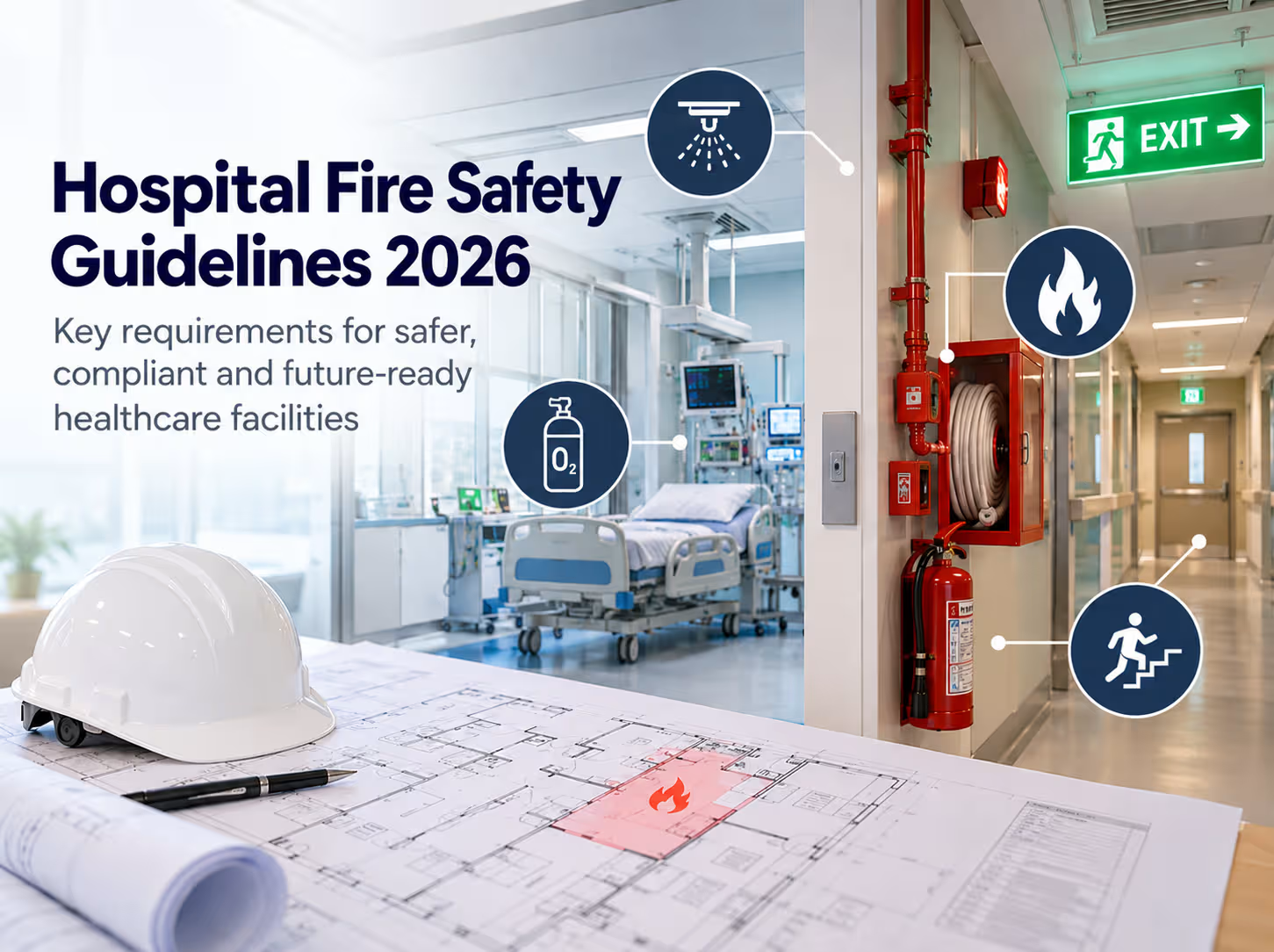
Hospital Fire Safety Guidelines India 2026: Design Checklist

Planning a hostel building in India involves far more than design and construction. Before a single brick is laid, the project must pass through multiple approvals, building codes, and operational compliances that regulate safety, land use, environmental impact, and public health.
These approvals often determine whether the project moves forward smoothly or gets delayed by months.
For educational institutions, NGOs, hospital campuses, or private developers planning hostel facilities, understanding the approval pathway early is essential. Mistakes in zoning, fire compliance, accessibility, or sanitation provisions can force redesigns and increase costs.
This guide explains the complete hostel construction approvals and compliance framework in India from land-use validation to operational licenses.
Read this guide if you are planning a hostel building in India
Most hostel construction delays occur before construction even begins.
Typical reasons include:
A hostel is classified as a residential institutional building, which means it falls under stricter safety and occupancy regulations than typical residential buildings.
BuiltX Insight: Projects that validate zoning + FAR + fire access + occupancy load before architectural design typically move 30–40% faster through approvals.
The approval process typically follows four regulatory stages
Before planning a hostel building, the land must be legally permitted for institutional or residential use under the applicable Master Plan.
For example:
Hostels are typically allowed under:
However, some master plans impose restrictions such as:
If land-use does not permit hostels, land-use conversion approval may be required.
Once zoning is validated, the architectural drawings must be approved through a Building Plan Sanction process.
This approval confirms that the design complies with:
Typical documents required:
Most cities now provide online building approval systems.
Examples include:
Without sanctioned drawings, construction cannot legally begin.
Read How to Start a University in India
Hostels involve high occupant density, which makes fire safety one of the most critical approvals.
Fire departments review:
Hostel buildings above certain heights require:
Authorities typically involved:
The fire department may also conduct site inspections during construction.
Depending on project size, hostel developments may require environmental compliance approvals.
Common requirements include:
Pollution Control Board Approval
Triggered if the project includes:
Authority:
State Pollution Control Board
Water Supply & Sewerage Approval
Required for:
Authority:
Local water and sewerage boards
Electrical Infrastructure Approval
Hostels with large electrical loads must obtain clearance from:
Under the Rights of Persons with Disabilities Act, public accommodation buildings must include accessibility provisions.
Typical hostel accessibility requirements include:
These provisions must be incorporated during the building design stage, not retrofitted later.
Hostel buildings must follow structural codes applicable in India.
Important standards include:
In earthquake-prone zones, structural approvals may require additional design verification.
Hostel buildings must meet sanitation standards defined by local health authorities.
Key provisions include:
Health inspections may be required before operational approval.
After construction is completed, the building must obtain an Occupancy Certificate (OC).
This confirms that the building:
Without an occupancy certificate, the building cannot legally operate as a hostel.
Use this as a practical compliance checklist.
The exact list may vary depending on state regulations and project scale.
Several hostel projects face delays due to predictable compliance errors.
Typical mistakes include:
Many of these issues only become visible during plan approval, which forces expensive redesigns.
BuiltX Insight: When hostel projects are planned within institutional campuses (such as hospitals or colleges), approval coordination becomes more complex because existing infrastructure, utilities, and circulation systems must also be reviewed.
Projects that integrate compliance planning during early design typically experience:
This is why experienced institutional construction teams begin with regulatory feasibility assessments before design development.
University Accreditation Process Explained
Q1. Do hostels require fire NOC in India?
A1. Yes. Hostels with significant occupancy must obtain fire safety approval from the state fire department. Requirements depend on building height, floor area, and occupancy.
Q2. Can a residential building be converted into a hostel?
A2. In some cities it may be possible, but the building must comply with:
Additional approvals may be required.
Q3. How long do hostel construction approvals take?
A3. Approval timelines vary by city but typically range between 2 to 6 months, depending on project complexity and documentation completeness.
Q4. Is an occupancy certificate required before operating a hostel?
A4. Yes. Without an occupancy certificate issued by the local authority, the building cannot legally operate.
Hostel construction in India involves more than design and construction, it requires careful alignment with zoning regulations, building plan approvals, fire safety norms, structural codes, and occupancy certification. Projects that verify these compliance requirements early typically avoid approval delays, redesign costs, and operational restrictions later.
For institutions planning student housing, campus hostels, or staff accommodation, integrating regulatory compliance into the planning stage is critical for a smooth project lifecycle.
Planning a hostel project and want to avoid approval delays?
BuiltX Sustainable Design & Construction helps institutions navigate regulatory approvals, technical planning, and execution for campus infrastructure projects. Early compliance-focused planning can significantly reduce risks while ensuring safe, future-ready hostel facilities.